Assets represent the core investments by manufacturers and have critical impacts on organizational performance, manifested by Operating Margins (ongoing) and Net Profitability (including capital expenditures) with direct impact on share price.
Optimal performance of those assets is dependent on a complex web of underlying functions and supporting inputs, including the equipment itself, maintenance schedules, parts availability, monitoring systems and controls, facilities, operations technology, and IT infrastructure. However, responsibility for IT/OT monitoring, maintenance, and lifecycle management is typically further distributed across the organization (manufacturing, distribution, transportation, maintenance, and IT), and lacks consistent processes and KPI tracking for both incident management and remediation, and for ongoing Asset Performance Management.
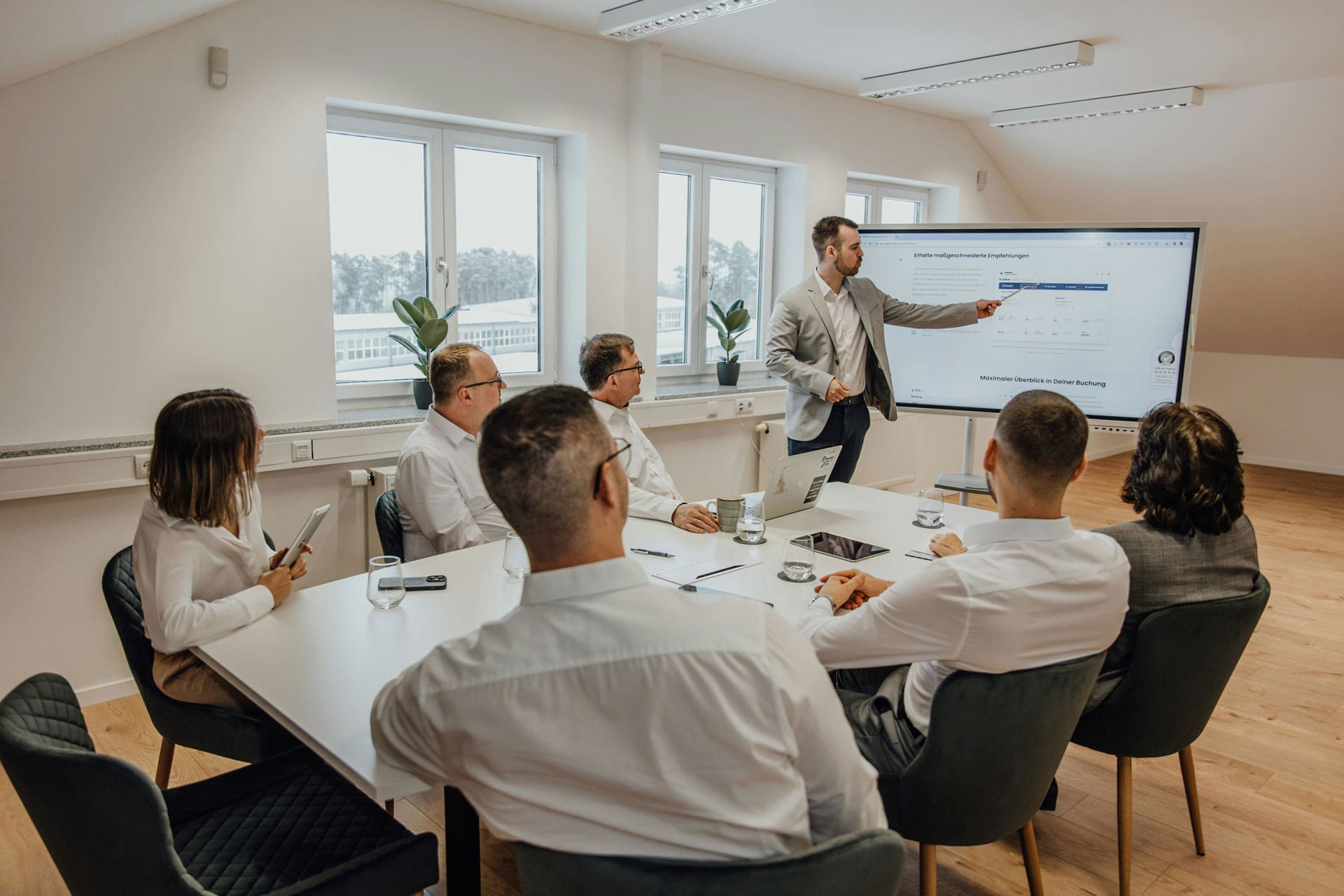
This boardroom level workshop brings together leaders from finance, manufacturing, distribution, and transportation, as well as engineering, IT and maintenance leadership to collaborate on current state practices and identify gaps and opportunities where improved instrumentation, controls, maintenance processes, systems capabilities and coverage, and governance can help to achieve asset performance optimization, with the following tangible (and trackable) results:
- Minimize Unplanned Downtime
- Develop Optimal Staffing & Skills Development Programs, Leveraging Third Parties Where Needed, to Minimize Cost of Maintenance
- Calibrate Planned/Scheduled Maintenance (through Monitoring & Lifecycle Management)
- Minimize Capital Investment Costs Associated with Equipment Failures & Renewal
- The workshop begins with the client champion (often a CFO) describing the financial realities of asset performance – from capital expenditure budgeting processes and depreciation
- Divisional leads will then describe the impacts that result when asset performance is compromised – unplanned downtime and operational disruptions and their influence on operations costs and service level expectations, customer satisfaction and resulting sales, etc. Commentary on sensitivity to maintenance windows, and existing or planned initiatives to improve preventative/predictive performance is also covered.
SCT will walk through the common causes preventing organizations from achieving asset performance optimization, and the likely impacts of such failures from a financial perspective.
- Engineering and Maintenance leads will also describe their views and active or planned initiatives for investment priorities for driving asset reliability and performance.
- CIO/VP IT/Maintenance will provide cross-education by leading an overview of the ecosystem responsible for ensuring optimal asset performance – asset management applications, the integration ecosystem, incident & maintenance tracking (IT/OT), and infrastructure / equipment sourcing & management (with Engineering)
- The maintenance lead (or department leads) provides overview of current state processes
- Preventative Maintenance scheduling
- Timely performance and parts availability KPIs
- Unplanned downtime incident review and remediation processes
- KPI and Financial Reporting Tools
- Criticality of Asset Reliability
- Cost Impacts of Unplanned Downtime, and Memorable Examples (if any)
Leads review available client data to review a) maintenance spend and b) costs of unplanned downtime (and common root causes plus memorable examples), by division/function, and discuss impacts and improvement opportunities:
- Facilities – Standalone or embedded in functions
- Manufacturing – Manufacturing equipment failures, instrumentation connectivity, quality issues, packaging equipment failures, packaging equipment connectivity, MES availability, MES user response times
- Transportation – trucks, forklifts, and other material handling vehicles and moveable assets (stillages, etc)
- Distribution – MHE & Automation equipment failures, MHE & Automation availability, integration failures or processing delays, WMS availability, WMS user response times, equipment response time
- CFO and Operations leads describe Known Maintenance Investment Backlog & Risk Assessment (eg Roofs, Generators) & Build vs Lease Opportunities/Limitations
- Operational leads to describe roadmap investments in manufacturing/automation/instrumentation, and how new capabilities or organizational strategies might mitigate risk or lower TCO of equipment.
- SCT will lead the review and populate a Heat Map and initial Opportunity Impact Assessment…including:
- IT/OT incident mapping and KPI tracking (plus platform for advanced insights and supplier collaboration processes)
- Organization (is centralization (of data or maintenance operations) warranted, is ongoing third party support justified (insourcing or outsourcing))
- What should be the structure for manufacturing, operations, procurement, and IT to report on asset performance, impacts, and investment/cost management strategies?
- Innovation opportunities for instrumentation, integration and process monitoring tools, inspection automation
Deliverables include the Roundtable Brainstorming and Deliverable Development:
- Opportunity Heat Map
- Opportunity Impact Assessment